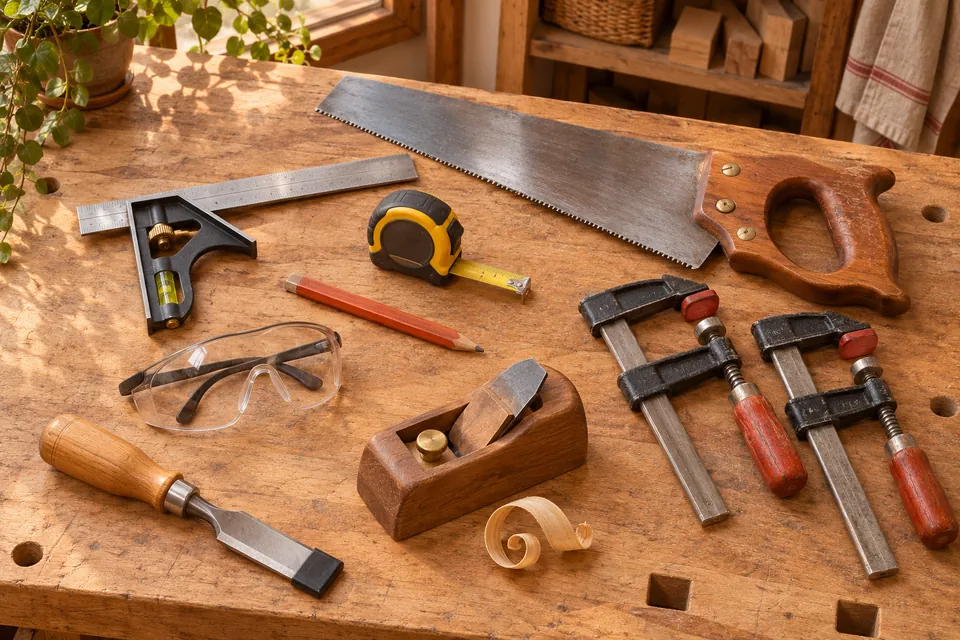
Empty it and look closely
Remove the contents and check whether anything has fallen behind the drawer or is catching on the frame. If the drawer is designed to come out, follow the hardware’s release instructions and support its weight. Never force an unfamiliar runner mechanism.
Identify the moving parts
A drawer running on bare wood behaves differently from one using metal slides. Look for obvious loose screws, displaced hardware or debris. Clean accessible surfaces gently and use only maintenance methods recommended for the hardware. Oil or wax is not automatically suitable for every runner.
Make one small adjustment
If a fastener is clearly loose and accessible, tighten it carefully without stripping the hole. Test the empty drawer after each change so you can tell what helped. Check alignment before deciding that wood needs to be removed.
Know when to pause
Wood can move with changing humidity. Aggressive sanding may create a loose fit when conditions change. Split components, damaged slides or a drawer that may fall out deserve a more deliberate repair. Record the hardware measurements before buying a replacement.
A note from the workbench
Take a photograph before removing any part. It is a simple reference when putting the drawer back together.
Original sample editorial content prepared for this starter website. Review for your audience and project before publication. Images are original AI-generated editorial illustrations, not project build documentation. Always follow product instructions and seek qualified help for work beyond your skills.